
The SIGRUN Show · Episode 144
How to Build an International Online Business When English Is Not Your Native Language

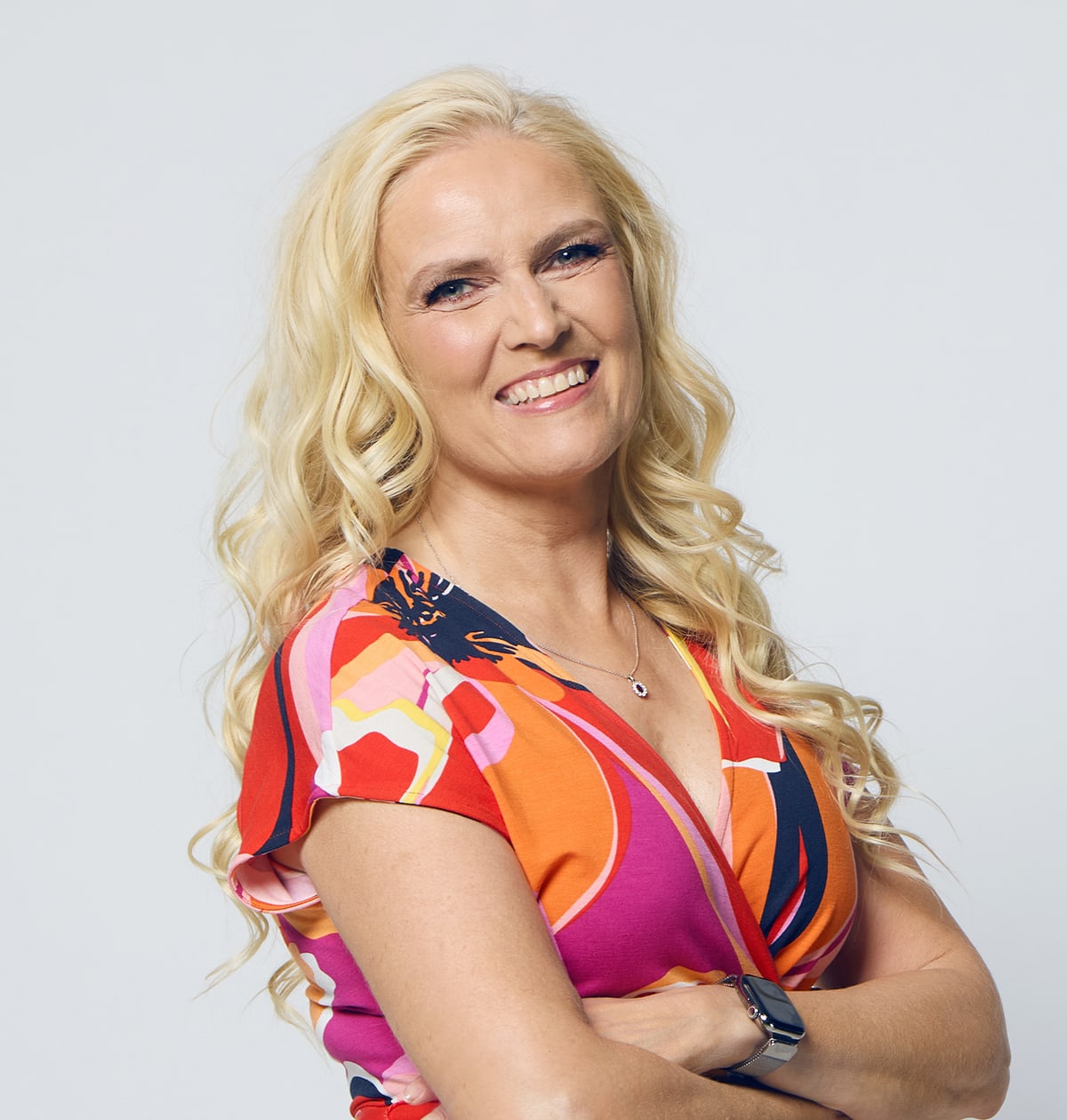
Should you take your business international as a non-native English speaker? I get this question almost every week. I come from Iceland, and in the last 9 years I have built an international business with over 6,000 clients all over the world. Here are the 5 reasons I hear most, and what I think about each one.
1. “My Home Market Is Too Small”
Many want to go international because they think their home market is too small. I often need to correct that. Iceland has only 380,000 inhabitants, and I have clients who built a 7-figure business serving only Icelandic clients. So if you think your market is too small, think again.
It is easier, cheaper and faster to build a successful business in a market you already know. There you are a native speaker and you already have connections. Your first clients are most likely someone you know, or a friend of someone you know. That is why it makes more sense to go local first and use your existing network to get going.
2. “I Have Already Reached Everyone at Home”
Some feel they have saturated their home market already. That is often not true either. My question is: do you already have a 7-figure business in your home market? If not, you very likely still have a lot of potential at home.
Set a goal first, for example 7 figures or 10,000 clients, before you take your business international. It is easier to grow what you already have, in a market where you are present, than to start something new in a new language.
3. “The English-Speaking Market Is Bigger”
Most want to go international because they think the English-speaking countries are a bigger market. You might be surprised.
When I started my international business, I also thought I would attract English-speaking clients, because my business was in English. To my surprise, most of my followers and clients are non-native English speakers like me. Most of my clients come from Germany, Switzerland, Austria, Poland and the Czech Republic.
You are more likely to attract people from your home country and neighbouring countries. They like to speak English but want to work with someone closer to home. It may sound strange to speak English with clients who share your native language, but I do it all the time and it works.
4. “I Want to Add an English Business”
Some want to go international in addition to their existing business, once it has reached a good size. This can make a lot of sense, but it is harder than it sounds. A second business in a different language is still a second business, even if it does exactly the same thing.
Yes, you benefit from a proven ideal client, proven offers and all the marketing and content you have created. But you still start from scratch as a totally unknown person.
I highly recommend surveys and interviews to understand your new English-speaking clients, so you create the right content and the right offers. You might be able to translate your best work. You might also find out that this audience wants something completely different from you.
5. “I Enjoy Speaking English More”
I hear this reason from so many people, and it is a very valid one. It is also the reason I started an international business. I am based in the German-speaking part of Switzerland. Even though I speak German almost fluently, I prefer to talk about business in English.
Of course you have to be able to speak English, but your English does not have to be as good as you think. In the beginning I worried that people would not like my English, or would hear that I am not a native speaker. I worried I would make mistakes or pronounce something incorrectly. Then native English speakers told me this is one of the reasons they follow me and decided to buy my programs.
So it is a benefit that your English is not perfect. If you make a grammar mistake, mispronounce something or do not know a word, just be yourself. That is who people want to work with. I also found that starting in English from scratch can be easier than moving an existing business into English.
Follow Your Heart
If your heart tells you to go international, then go for it. If your heart tells you that you still have work to do in your local language, wait a bit.
In both cases, surround yourself with international people and with other entrepreneurs who run international businesses. That way you learn from others and share what works for you. And think about your pricing early, because it can become a question when you go international.
From The Sigrun Show, Episode 144

It’s not uncommon for online entrepreneurs to want to expand their business into different language markets. If you are looking to build an international business, you may need to communicate in English - even if this is not your native language. After all, English is considered the international language of business.
If you’ve ever thought about transitioning your business into English-speaking countries, you may be wondering what steps you need to take to successfully launch into this new marketplace. You may be thinking that a business in a different language will be more of a challenge or not as successful as sticking with your native language.
In this episode of The Sigrun Show, I talk about how starting a business in English can be easier than starting one in your native language. I also discuss the importance of overcoming negative beliefs, the challenges you may face and how to overcome them, as well as the importance of surrounding yourself with other like-minded entrepreneurs to help you achieve your goals. You can build an international business, and doing so can yield substantial rewards.
Of course, you have to be able to speak English, but your English doesn’t have to be as good as you think. - Sigrun
In This Episode of The Sigrun Show:
- Overcoming mindset and self-belief challenges when starting a business as a non-native English international entrepreneur
- The challenges of expanding your already successful, native-language business into the English marketplace and how to overcome them
- Surrounding yourself with other international entrepreneurs
- Transitioning into the English language marketplace
- Sharing your plans and ideas with your community in advance
- Why it’s not recommended to allow Facebook to translate your posts
- Building your email list in English
- Running Facebook ads within your own - and neighboring - countries
Key Takeaways:
- Pick a single language for your business.
- Consider your bilingual skills as an asset, not a drawback.
- Redo and/or translate your best content.
- Start an email list in English.
Frequently asked questions
Can I build an online business in English if it is not my native language?
Yes. You have to be able to speak English, but your English doesn't have to be as good as you think. Consider your bilingual skills an asset, not a drawback.
Should my business be in more than one language?
No. Pick a single language for your business, redo or translate your best content, and start an email list in English.
Is my home market too small to build an online business?
Probably not. Iceland has only 380,000 inhabitants, and I have clients who built a 7-figure business serving only Icelandic clients. It is easier, cheaper and faster to start in a market you already know.
Where will my clients come from if my business is in English?
Most likely from your home country and neighbouring countries. Most of my clients are non-native English speakers from Germany, Switzerland, Austria, Poland and the Czech Republic.